



Trail Towns: Why the Hike Sometimes Starts at the Cafe
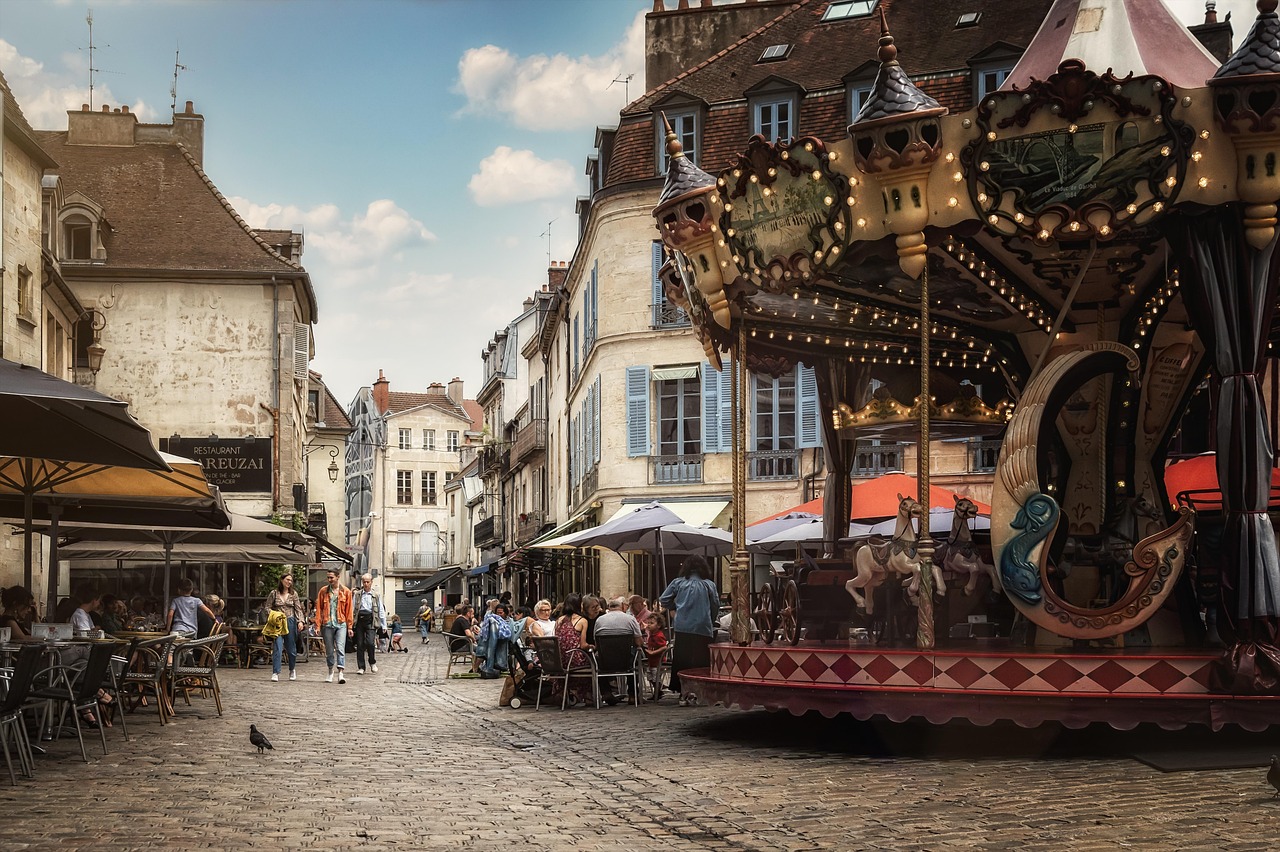
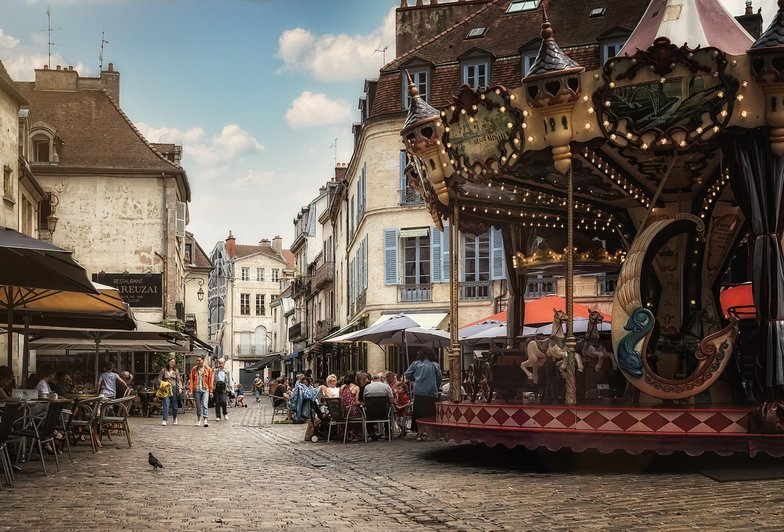
Every good trail has a town at one end of it, or somewhere close by. Sometimes it is a single gas station with a coffee pot and a rack of maps. Sometimes it is a main street with a bakery, an outfitter, and a diner where the waitress knows which trails are muddy and which are clear. These towns are not just places to park the car. They are part of the hiking experience, and the best ones shape the way you remember a trip as much as the trail itself.
Trail towns exist because of the land around them. They grew up around logging, mining, or farming, and when those industries faded, many of them found a second life in recreation. That history is still visible if you look: the old mill building now housing a gear shop, the storefront with the original tin ceiling, the trailhead sign that lists a mining company as the original landowner. Walking through a trail town is a way of reading the landscape, the same way you read a forest floor or a ridgeline.
What Trail Towns Give Hikers
The practical value of a trail town is obvious. It is where you buy the forgotten item, fill your water bottle, use a real bathroom, and eat something that did not come out of a plastic bag. It is where you get local information that no app provides: which creek crossing is washed out, where the ticks are bad this year, whether the forest service road is passable after rain. The person behind the counter at the outfitter has usually hiked the trails you are asking about, and their advice is worth more than any online review.
But the less obvious value is cultural. Trail towns are places where hiking is normal, where you can walk into a cafe in muddy boots and no one looks twice. That normalization matters, especially for new hikers who feel out of place in the outdoors. In a trail town, everyone is a hiker or knows one, and the community of the trail extends into the streets and the shops. You are not an outsider. You are part of the flow of people who come through every season.
There is also a rhythm to trail towns that mirrors the rhythm of hiking itself. Early mornings are quiet, with hikers getting coffee and checking the weather. Midday is busy, with cars in the lot and people comparing notes on the trail. Evenings are slower, with tired legs and cold drinks and the smell of someone grilling in a backyard. The town breathes with the trail, and if you spend enough time in one, you start to feel that rhythm yourself.
How to Be a Good Visitor
Trail towns are small, and small towns notice how visitors behave. The same principles that apply on the trail apply here. Park where you are supposed to park. Do not block driveways or leave trash in the lot. Buy something, even if it is just a coffee, because the businesses that support hikers depend on hikers supporting them. Be patient with slow service in a town with three employees and a hundred visitors on a Saturday. Ask before you take photos of people or their property. And when you get good advice, say thank you, because the local knowledge you just received took years to earn.
The relationship between hikers and trail towns is a two-way street, and the best trips honor both directions. You come for the trail, but you leave with a memory of the town: the breakfast that tasted better than it had any right to, the conversation with a stranger who pointed you toward a waterfall you would have missed, the feeling of driving out of the valley with the windows down and the day behind you. The hike is the reason you came. The town is part of the reason you will come back.






A look at the small towns that sit at the edge of the wilderness and the role they play in hiking culture.
A practical guide to hiking alone, covering the systems, habits, and mindset that make solo trips both safe and rewarding.
Everything you need to know before lacing up for your first real hike, from choosing a trail to knowing when to turn back.
The ground beneath your boots is a living record of soil, water, and time, if you know how to read it.
Spring and fall offer some of the best hiking of the year, but they demand a different approach than midsummer.