



Reading the Forest Floor: What Fallen Leaves and Logs Tell You About the Land
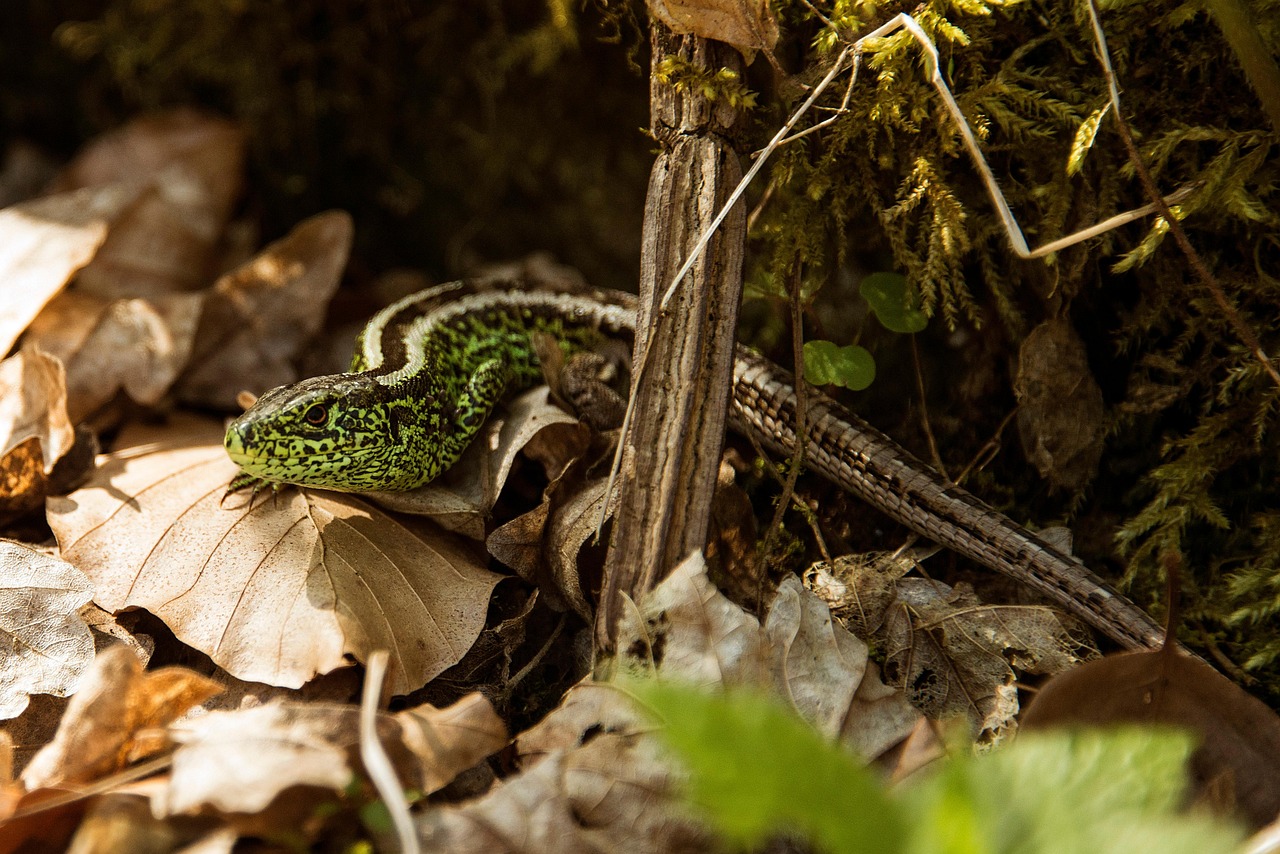
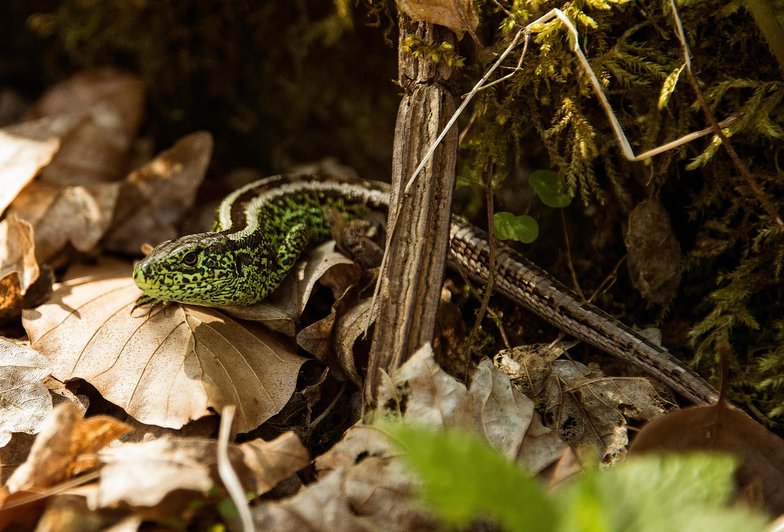
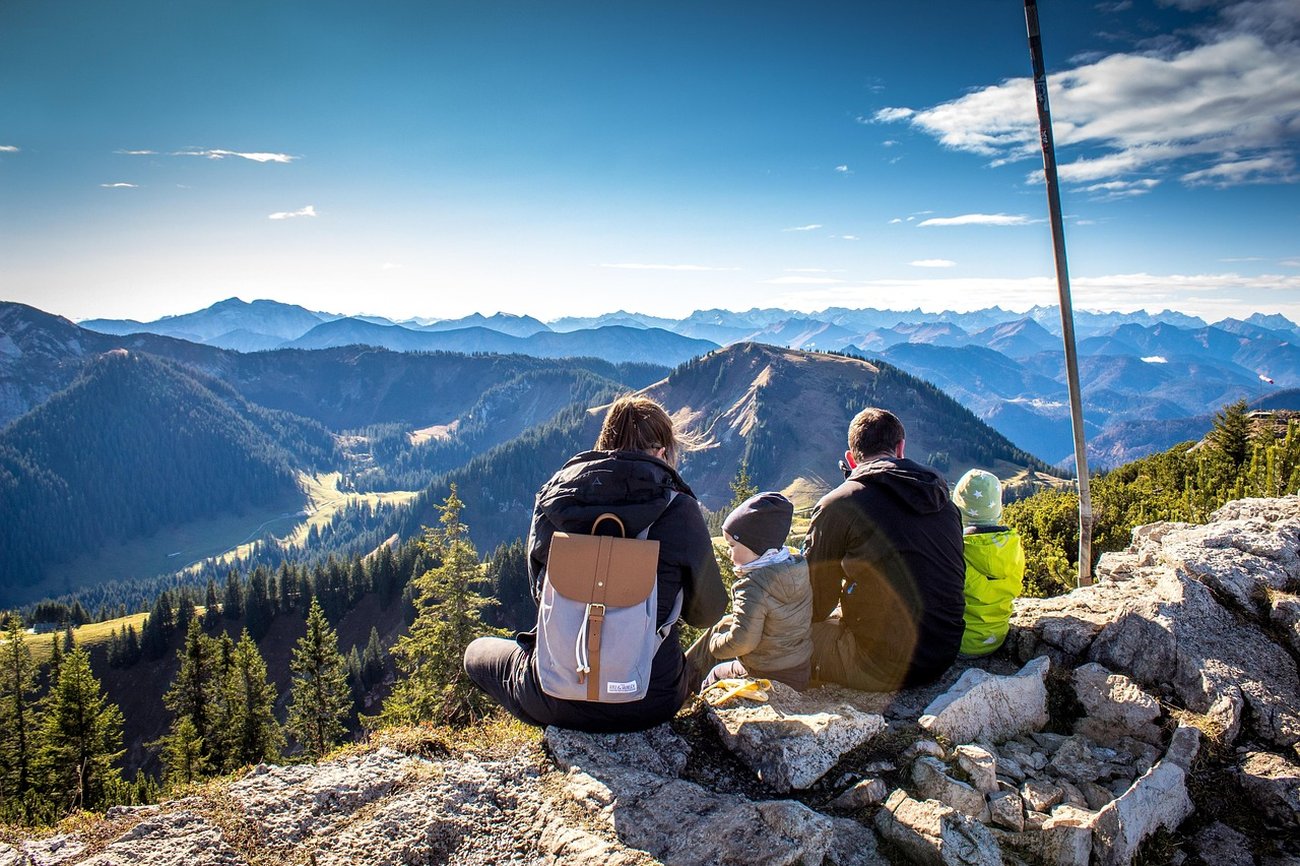
Most hikers spend their time looking up at the canopy or out at the view, and that is understandable. But the forest floor is where the real story of a place is written, and it rewards anyone willing to slow down and look closely. The next time you stop for a breather, crouch down and examine what is under your feet. You will learn more about the landscape in five minutes of ground study than in an hour of walking.
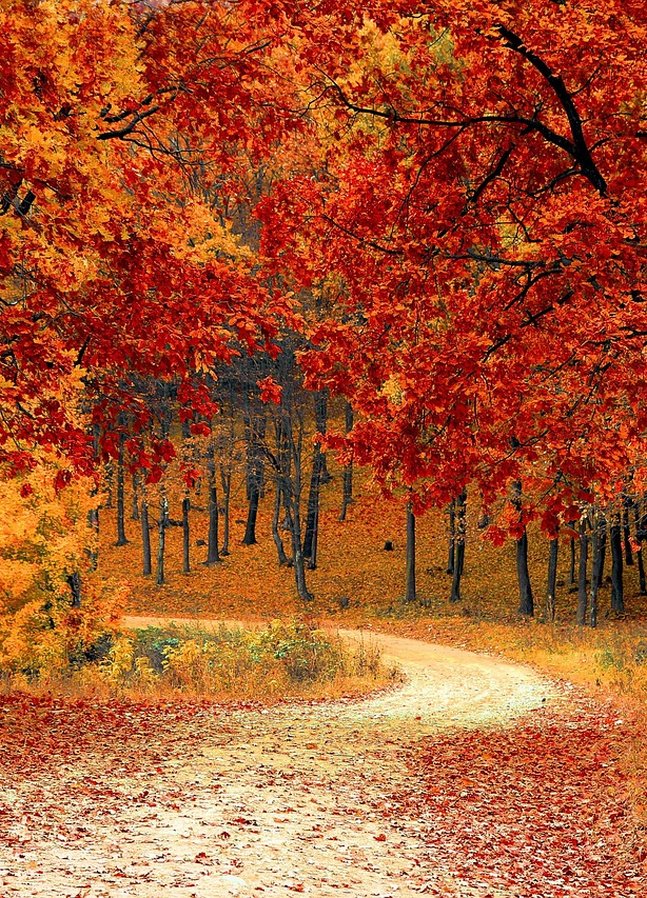
Start with the leaf litter. The species of leaves on the ground tell you what is growing overhead, but their condition tells you about moisture and decomposition. In a healthy, damp forest, leaves break down within a year or two, feeding the soil and disappearing into it. In dry or cold environments, leaves pile up for years, creating deep, spongy layers that crunch underfoot. If you see a thick mat of intact leaves, you are likely in a place where decomposition is slow, whether from cold, aridity, or acidic soils that discourage the microbes and fungi responsible for decay.
Logs, Stumps, and the Life They Support
A fallen log is not dead. It is a nursery, a pantry, and a apartment building for an entire community. As wood decays, it passes through stages, and each stage attracts different organisms. Freshly fallen logs are colonized by bark beetles and wood-boring insects, which in turn feed woodpeckers and other birds. As the wood softens, fungi move in, breaking down the tough lignin and cellulose into simpler compounds. Later, the log becomes a seedbed for mosses, ferns, and even tree seedlings, which often germinate in the moist, nutrient-rich rot.
If you find a log with shelf fungi growing on its side, look at the pattern. The brackets usually grow in horizontal rows, and their position can tell you how the log settled and how long it has been on the ground. A log covered in moss on its upper surface but bare underneath is likely to have been there for several years, long enough for the moss to establish and the underside to stay dry. A log that is still firm and bark-covered is a recent arrival.
What Soil and Slope Say About Water
The color and texture of the soil under the litter is another clue. Dark, crumbly soil smells rich and earthy, a sign of high organic content and active biological life. Pale, sandy, or rocky soil drains quickly and supports different plants, often those adapted to drought. If you see exposed roots on a slope, that is a sign of erosion, which can happen naturally or as a result of trail use and runoff.
Water leaves its mark everywhere. Look for channels, even dry ones, carved into the ground. These are the paths that rainwater takes during storms, and they often lead to seeps, springs, or small creeks. The presence of certain plants, like mosses, ferns, and sedges, can confirm that water is close to the surface even when the ground looks dry. Learning to spot these signs helps you understand why a trail was routed where it was, and why some sections turn muddy after rain while others stay firm.
None of this requires special equipment or expertise. It requires curiosity and a willingness to get your knees dirty. The forest floor is a slow-moving story, and every walk is a chance to read another page.







The ground beneath your boots is a living record of soil, water, and time, if you know how to read it.
Spring and fall offer some of the best hiking of the year, but they demand a different approach than midsummer.
Leave No Trace is more than a slogan. It is a set of small, practical choices that add up to healthier trails for everyone.
You do not need a secret trail or a bushwhack to find quiet. You need timing, direction, and a willingness to walk a little farther.
A practical walkthrough of what belongs in a daypack, what stays home, and how to pack so you actually find things when you need them.