


Shoulder Season Hiking: Making the Most of Spring and Fall Trails
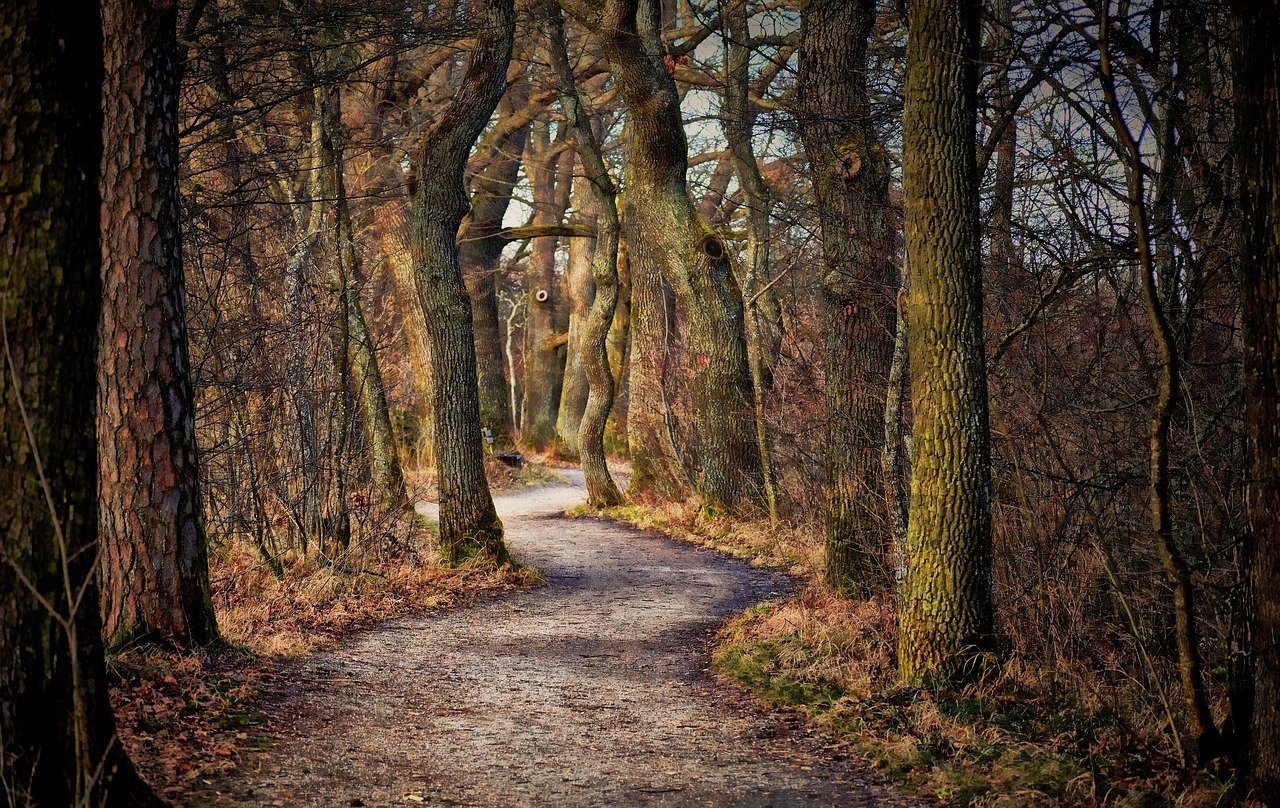
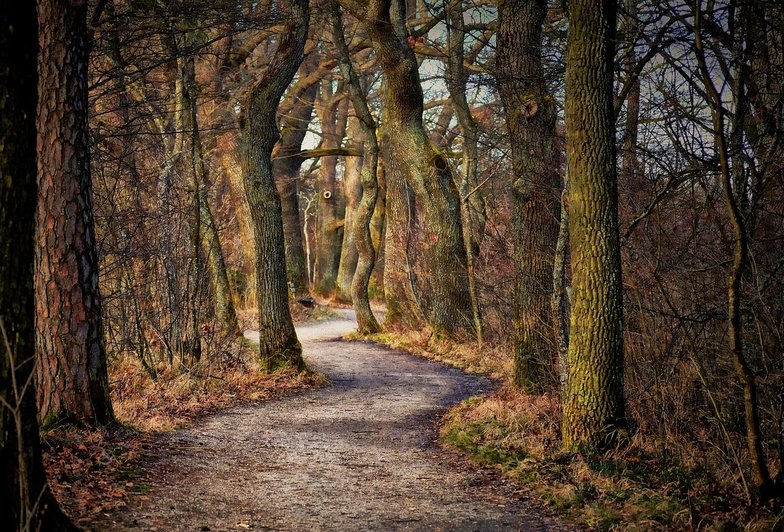
Ask a seasoned hiker about their favorite time of year on the trail, and you will often hear spring or fall. The crowds thin out, the temperatures are kind, and the landscape puts on a show. Spring brings wildflowers, rushing creeks, and the first green of the season. Fall delivers crisp air, golden light, and the smell of dry leaves. But shoulder season also brings challenges that catch unprepared hikers off guard, from mud and lingering snow to early sunsets and sudden cold snaps.
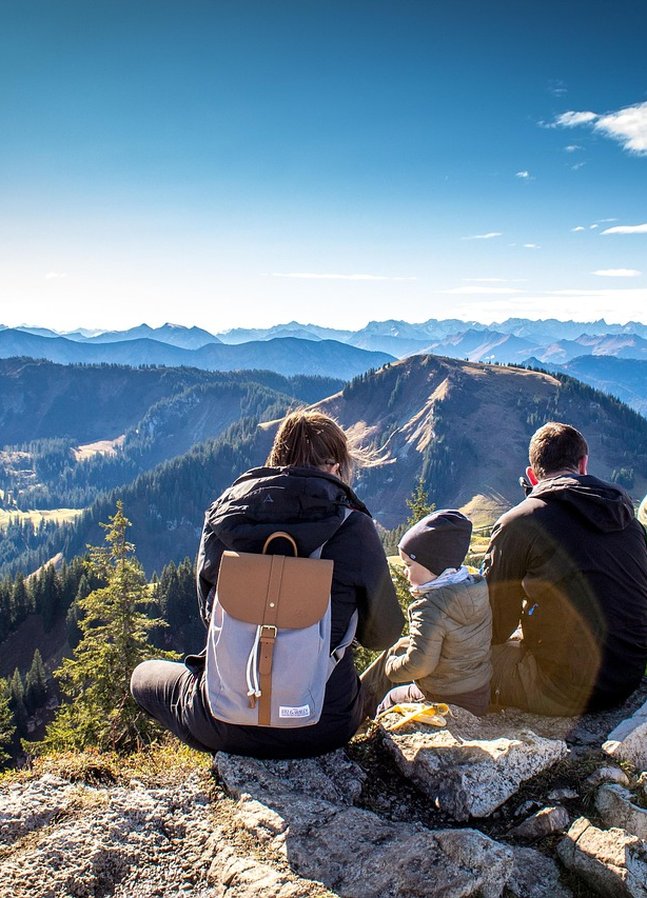
The first thing to understand about spring and fall is that conditions vary enormously with elevation and aspect. A south-facing slope in April might be dry and warm, while a north-facing slope a mile away still holds snow. A valley trail in October can be balmy, while a ridge at the same latitude feels like early winter. This means your clothing and footwear choices need to be flexible. Layers that you can add and remove throughout the day are more valuable than any single piece of gear.
Managing Mud, Snow, and Water Crossings
Spring hiking often means mud, and mud means two things: traction and trail impact. Wear boots or shoes with deep lugs that can grip slick ground, and consider trekking poles for stability. More importantly, stay on the trail even when it is muddy. Walking around puddles and mud widens the trail, damages vegetation, and creates erosion that persists for years. If the mud is deep, gaiters keep it out of your socks and off your pants.
Snow can linger well into late spring at higher elevations, and fall can bring the first snow before the leaves are even down. Microspikes or a lightweight traction device are worth carrying if there is any chance of snow or ice on your route. They weigh very little and turn a treacherous stretch into a manageable one. Water crossings are another shoulder season hazard. Spring runoff makes creeks deeper and faster than they look, and cold water saps strength quickly. If a crossing looks risky, do not do it. Turn around or find a safer place to cross.
Planning Around Shorter Days
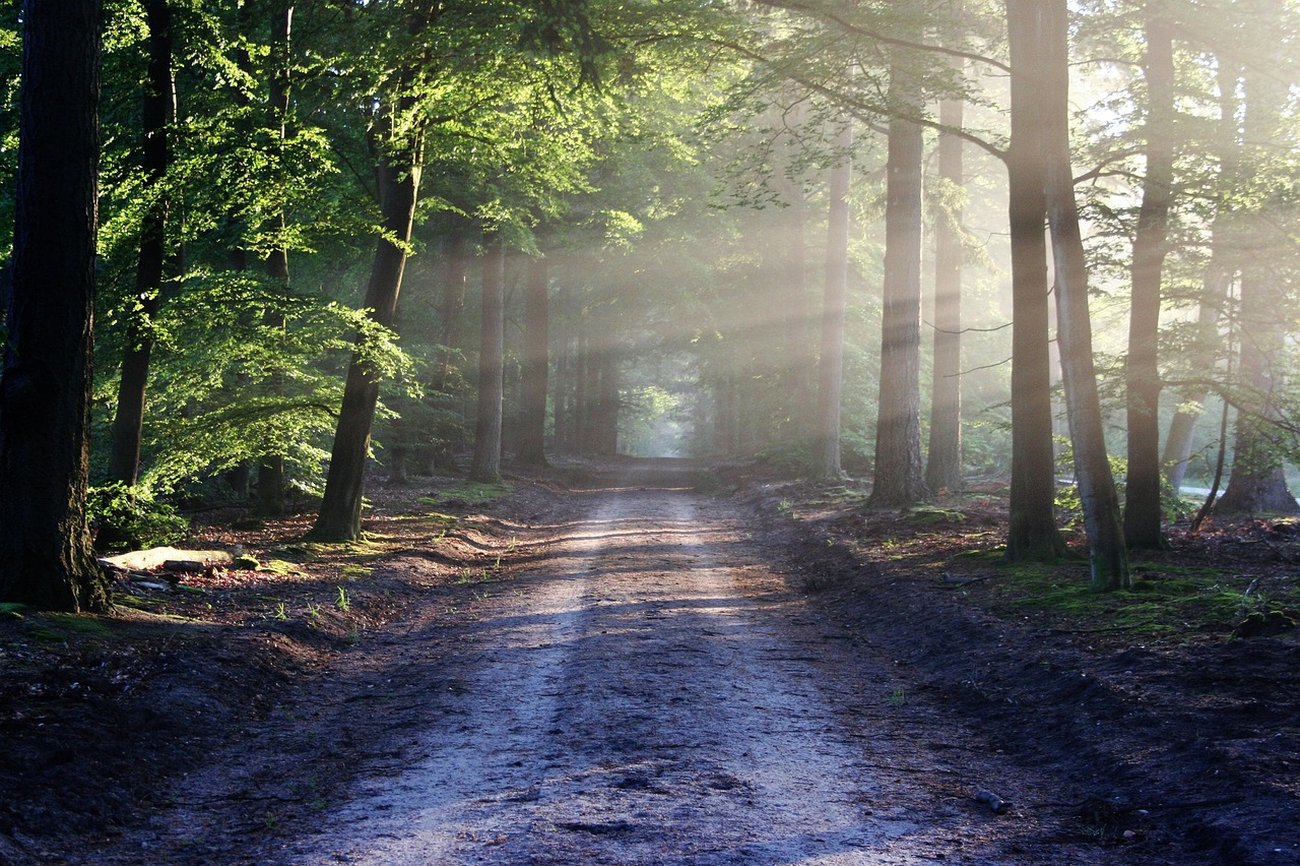
The other major factor in shoulder season is daylight. In fall, the sun sets earlier every week, and a hike that was comfortably a day trip in July can turn into a race against darkness by October. Start earlier than you think you need to, and carry a headlamp with fresh batteries even on short hikes. Check the sunset time for your location and subtract an hour as a buffer. If you are still on the trail an hour before sunset, you should already be heading back.
Spring has the opposite problem in some ways: longer days but more unpredictable weather. Afternoon thunderstorms are common in many mountain regions, so plan to be off exposed ridges and summits by early afternoon. Morning starts are not just about daylight; they are about safety.
Shoulder season rewards hikers who pay attention. The trails are quieter, the light is softer, and the landscape is in transition. With the right layers, a bit of traction, and a healthy respect for shorter days, spring and fall can become your favorite seasons to be outside.





Spring and fall offer some of the best hiking of the year, but they demand a different approach than midsummer.
Leave No Trace is more than a slogan. It is a set of small, practical choices that add up to healthier trails for everyone.
You do not need a secret trail or a bushwhack to find quiet. You need timing, direction, and a willingness to walk a little farther.
A practical walkthrough of what belongs in a daypack, what stays home, and how to pack so you actually find things when you need them.
How to choose trails, pace, and expectations so that children actually enjoy hiking and want to go again.