



The First Mile Is the Hardest: A Beginner's Guide to Trail Confidence
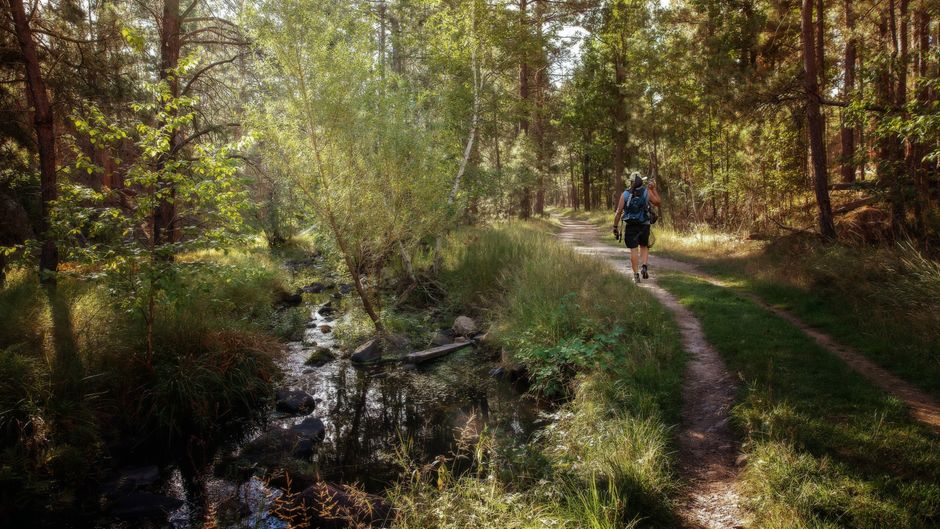
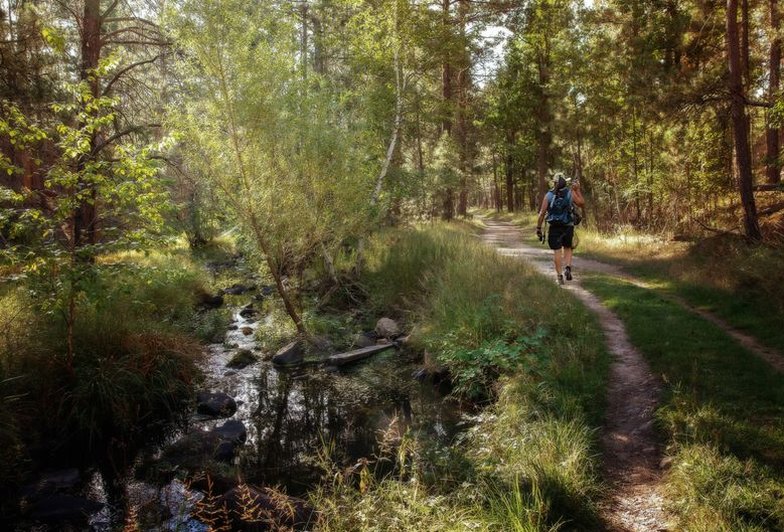
Every experienced hiker has a first trail story, and most of them involve a little too much optimism. Maybe it was a ten-mile loop tackled in sneakers with a single bottle of water. Maybe it was a summit attempt that ended at the trailhead sign because the weather turned. The point is that nobody starts out knowing what they are doing, and that is perfectly fine. What matters is that you start somewhere, and that you start smart.
The single most useful thing a new hiker can do is pick a trail that is shorter and easier than they think they can handle. A two-mile out-and-back on a well-marked path teaches you more than a grueling ten-miler ever will, because you finish with energy left to notice what worked and what did not. Did your shoes rub? Did you drink enough? Did you actually enjoy the climb, or were you just surviving it? These are the questions that build skill.
What to Carry on a Short Day Hike
You do not need much, but you do need the right things. Water is non-negotiable, and a good rule of thumb is half a liter for every hour you expect to be moving, plus a little extra. Food matters too, even on a short walk. A handful of nuts, a piece of fruit, or a sandwich will keep your energy steady and your mood up. Bring a small first aid kit with bandaids, blister care, and any personal medication. Add a light rain shell, a headlamp, and a paper map or downloaded offline map of the area.
Layers are your friend in every season. Conditions change fast on trails, especially as you gain elevation or move in and out of tree cover. A breathable base layer, a warm mid layer, and a wind or rain shell cover almost everything you will face on a day hike. Cotton is a poor choice for anything next to your skin because it holds sweat and chills you when you stop. Synthetics or wool dry faster and keep you warmer.
Knowing When to Turn Around
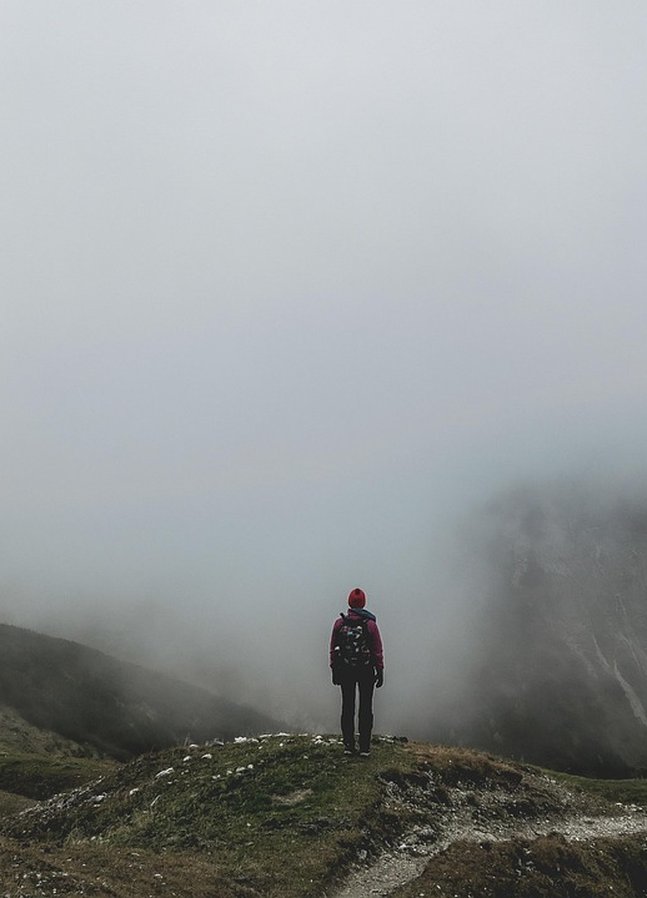
The hardest skill for new hikers is not physical. It is judgment. Turning around before the summit, the lake, or the viewpoint can feel like failure, but it is actually the mark of a competent outdoors person. Set a turnaround time before you start, not a turnaround point. If you said you would head back at two in the afternoon, you head back at two, even if the top is only twenty minutes away. Weather, fatigue, and fading daylight do not negotiate.
Tell someone where you are going and when you expect to be back. This is the cheapest safety measure in existence and the one people skip most often. A text to a friend with the trail name and your estimated return time takes ten seconds and can save your life. If you are hiking alone, consider a personal locator beacon or satellite messenger for remote areas, but even on popular trails, the check-in text is essential.
Finally, give yourself permission to go slow. Hiking is not a race, and the people passing you on the uphill are not judging your pace. Stop when you want to look at a mushroom, a bird, or the way light falls through the trees. The first mile is the hardest because it is full of uncertainty, but the second mile is where the trail starts to feel like yours.







Everything you need to know before lacing up for your first real hike, from choosing a trail to knowing when to turn back.
The ground beneath your boots is a living record of soil, water, and time, if you know how to read it.
Spring and fall offer some of the best hiking of the year, but they demand a different approach than midsummer.
Leave No Trace is more than a slogan. It is a set of small, practical choices that add up to healthier trails for everyone.
You do not need a secret trail or a bushwhack to find quiet. You need timing, direction, and a willingness to walk a little farther.