



Solo Hiking: How to Be Alone on the Trail and Be Safe Doing It
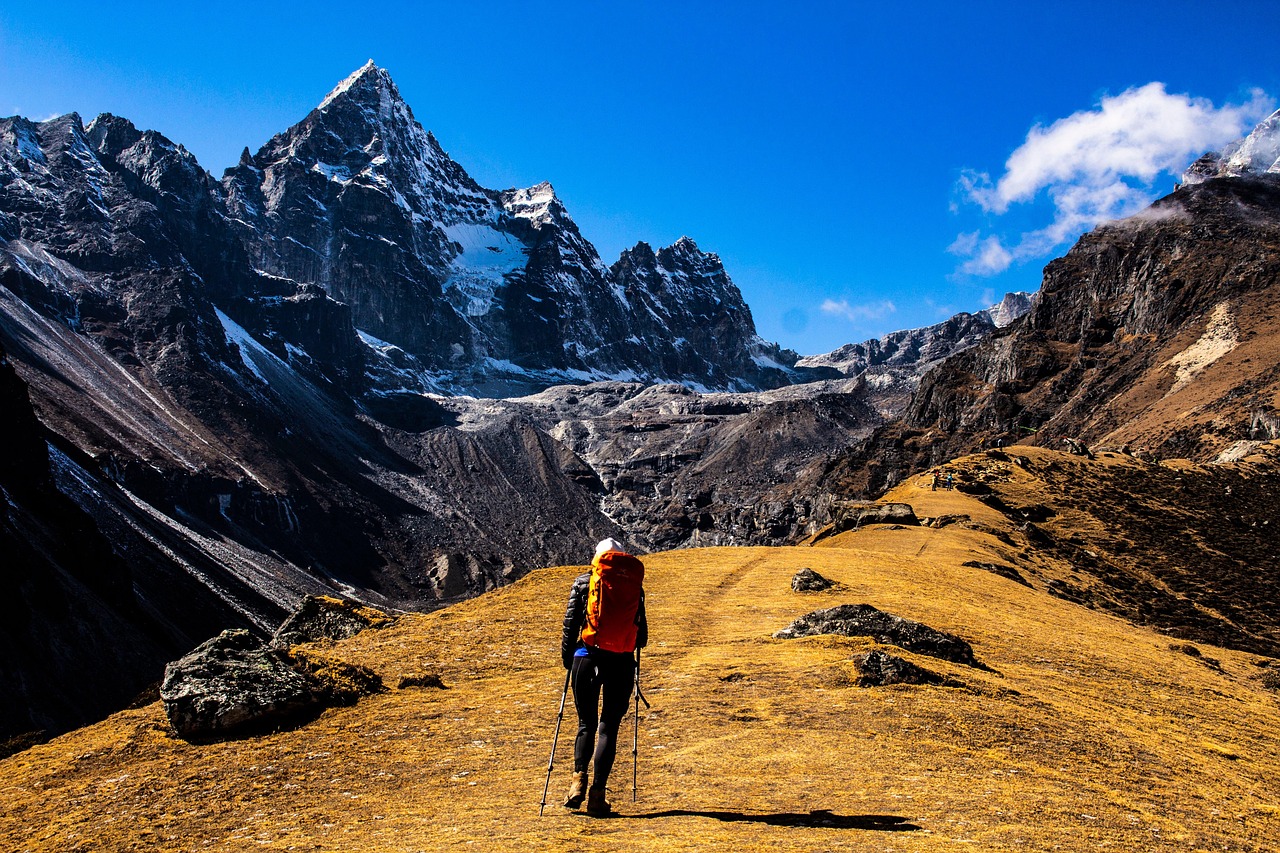
Hiking alone is not for everyone, but for those who love it, it is hard to go back. The trail becomes quieter, the pace becomes entirely your own, and the decisions, when to stop, when to eat, when to turn around, belong only to you. There is a clarity to solo hiking that is difficult to find anywhere else. But it also removes the margin of error that a partner provides, and that means the systems you build around a solo hike matter more than they do on a group trip.
The core principle of solo hiking is that you are your own backup. No one is going to notice you are cold before you do, or carry the extra water, or remember where the trail turned. That is not a reason to avoid solo hiking, but it is a reason to be deliberate about preparation, and to build habits that compensate for the absence of a second set of eyes.
The Systems That Keep Solo Hikers Safe
The most important system is a trip plan. Before you leave, write down where you are going, which trail you will take, when you expect to start, and when you expect to be back. Leave that plan with someone who will actually notice if you do not return, and give them a time to call for help if they have not heard from you. This is the single most effective safety measure available to a solo hiker, and it costs nothing but a few minutes of planning.
Navigation is the second system. Solo hikers should carry a paper map and compass, know how to use them, and also carry a phone with an offline map and a charged battery. A small power bank is worth the weight. Check your position regularly, not just when you are unsure, because the point of navigation is to catch a wrong turn early rather than late. If you are on an unfamiliar trail, consider turning around at a set time rather than a set distance, since time is easier to track than mileage on rough terrain.
The third system is communication and signaling. A personal locator beacon or satellite messenger is not cheap, but for solo hikers who go beyond cell coverage, it is the difference between a rescue and a search. At minimum, carry a whistle, which is loud, light, and works when your voice is gone. Know the universal distress signal: three of anything, three whistle blasts, three shouts, three flashes of a light. And check in with your emergency contact when you get back to the trailhead, even if it is late and you are tired, because the person waiting for that call has been worrying since the time you said you would return.
The Mindset That Makes Solo Hiking Work
Solo hiking requires a certain humility. The trail does not care how experienced you are, and the risks that feel abstract in a group feel concrete when you are alone. That is not fear talking, it is good judgment. Be willing to turn around. Be willing to change your route. Be willing to admit that the weather is worse than you expected or that your knee is hurting more than it should. The summit will still be there next year.
At the same time, solo hiking rewards a mindset of curiosity and attention. Without a partner to talk to, you notice more: the way the trail curves around a ridge, the sound of wind in different trees, the small tracks in the mud. Many solo hikers describe the experience as a kind of conversation with the landscape, one that requires listening rather than talking. That is the gift of hiking alone, and it is worth the preparation it takes to do it safely.
Start with short, familiar trails. Build your systems. Tell someone where you are going. And then go, and see what the trail has to say when there is no one else around to answer for it.







A practical guide to hiking alone, covering the systems, habits, and mindset that make solo trips both safe and rewarding.
Everything you need to know before lacing up for your first real hike, from choosing a trail to knowing when to turn back.
The ground beneath your boots is a living record of soil, water, and time, if you know how to read it.
Spring and fall offer some of the best hiking of the year, but they demand a different approach than midsummer.
Leave No Trace is more than a slogan. It is a set of small, practical choices that add up to healthier trails for everyone.