



Hiking With Kids Without Losing Your Mind or Your Pace
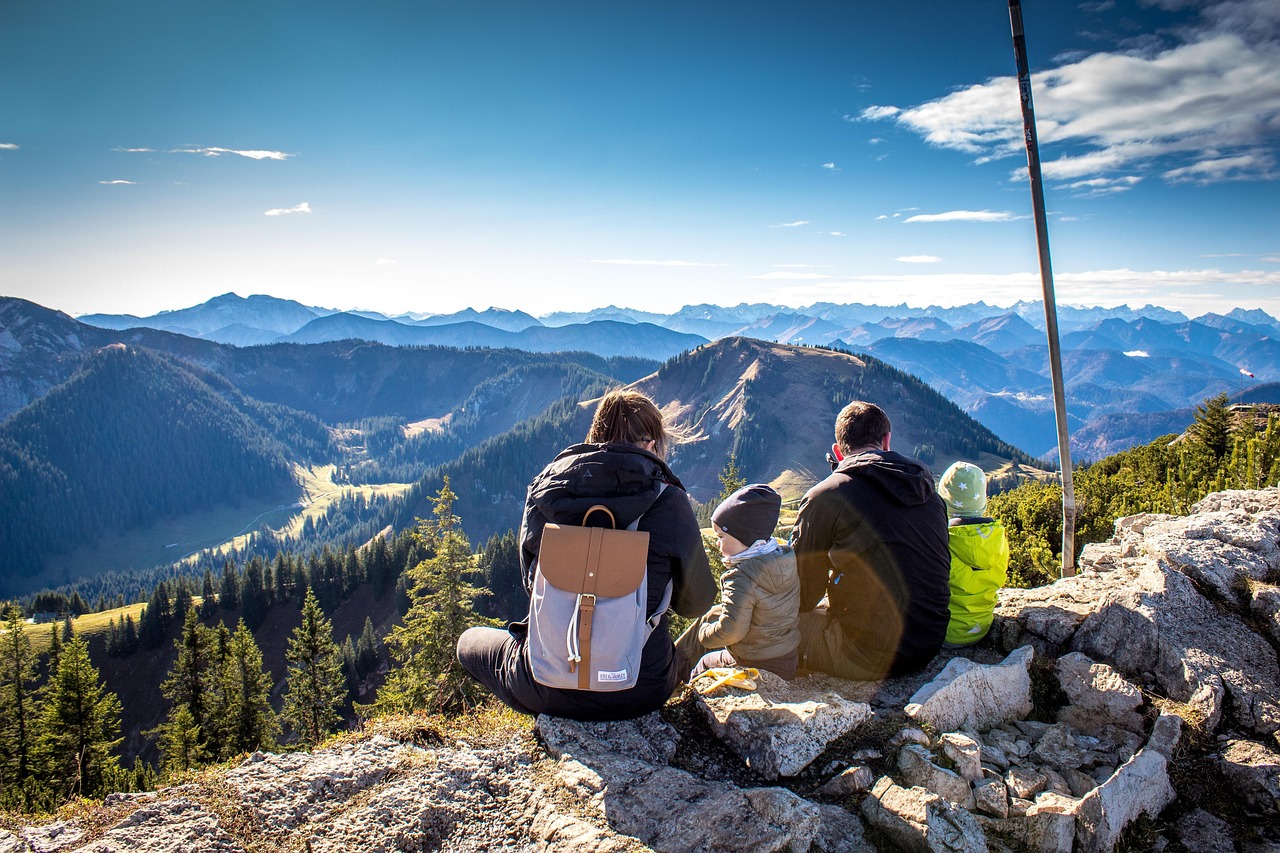
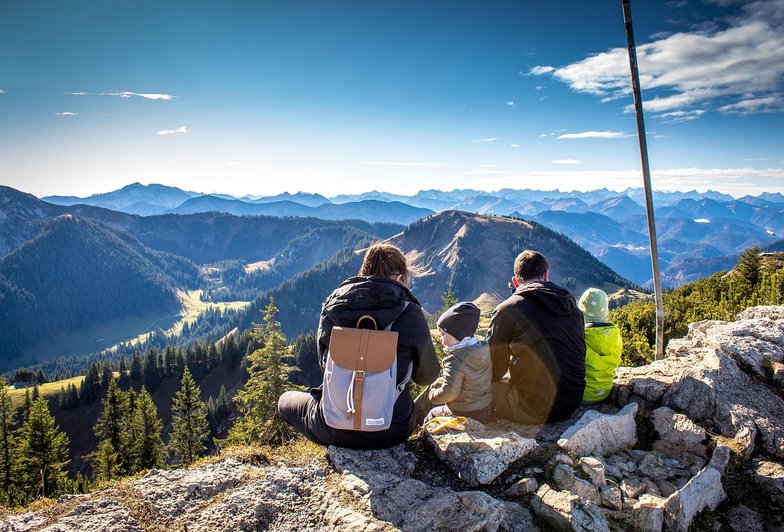
The fastest way to ruin a child's relationship with hiking is to treat a family hike like an adult hike with smaller legs. Kids do not care about elevation gain, summit views, or your Strava segment. They care about whether the experience is interesting, whether they are comfortable, and whether they feel like they are part of the day rather than cargo being hauled to a viewpoint. Adjust those three things and family hiking becomes something everyone actually looks forward to.
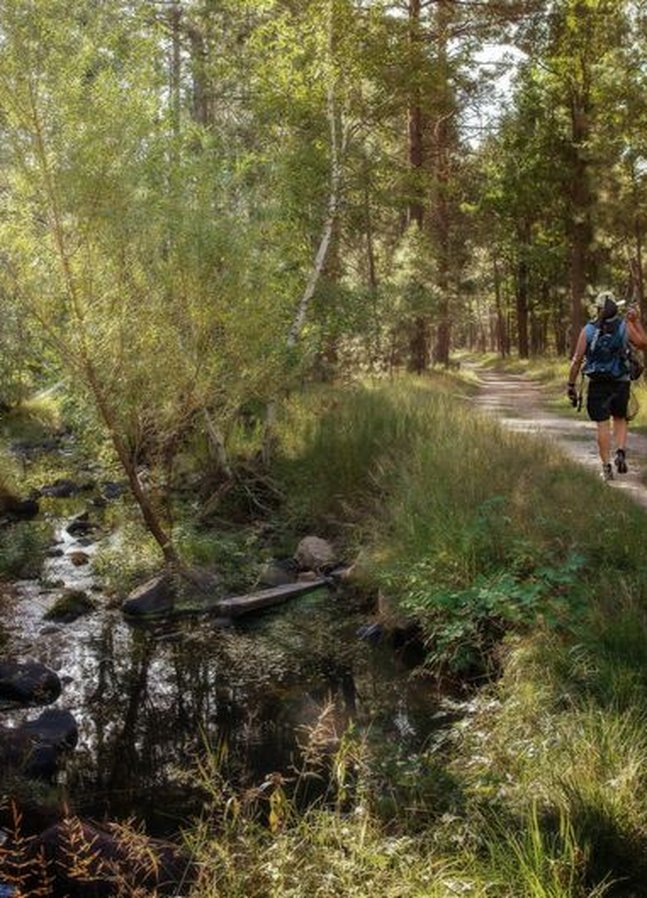
The first adjustment is distance. A common guideline is that a child can hike roughly half the distance an adult can in the same time, and that shrinks further if the terrain is steep or the weather is warm. A two-mile loop with a stream crossing and a snack rock is a better family hike than a six-mile climb to a summit, even if the summit is spectacular. Save the big objectives for when the kids are older or for days when another adult can stay home with them.
Make the Trail the Destination
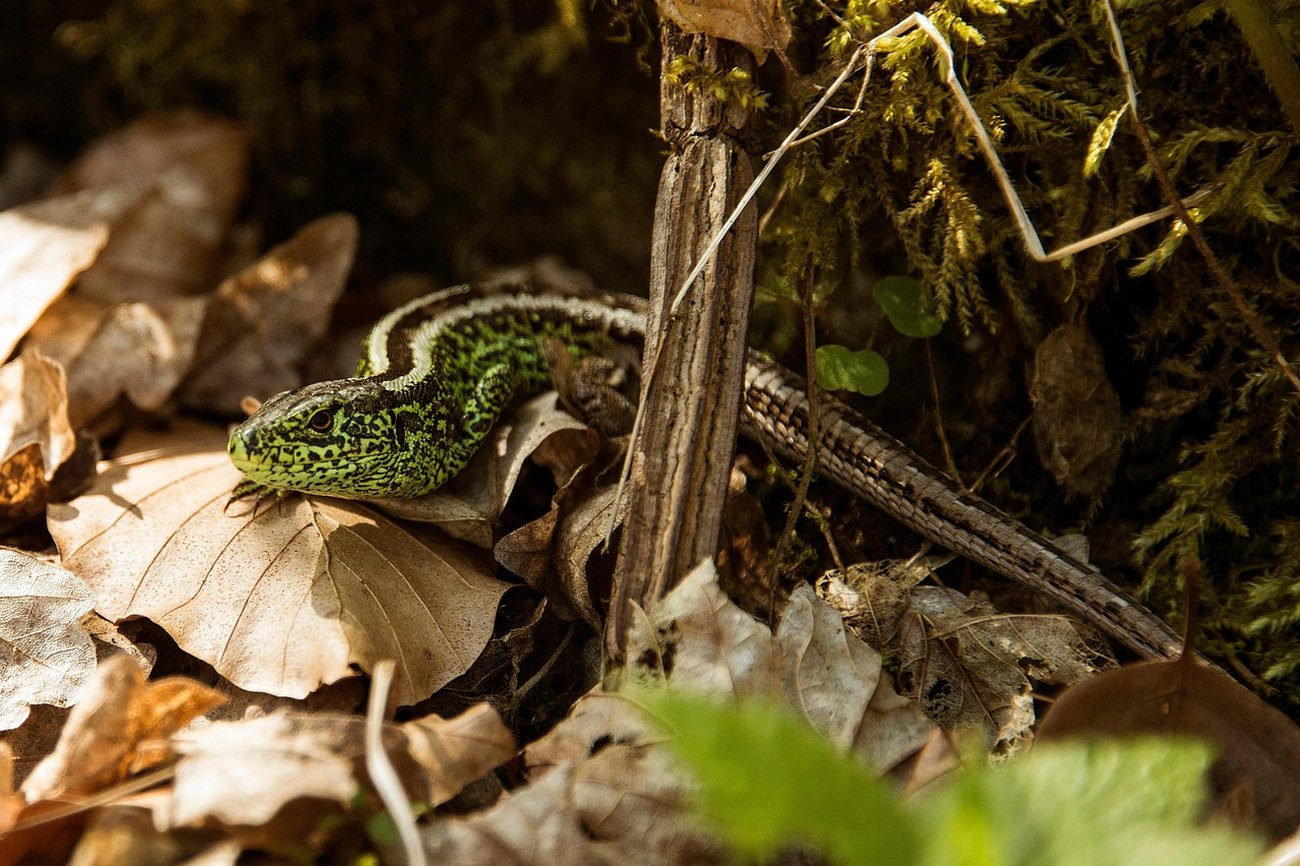
Children are natural naturalists. They will spend twenty minutes watching a beetle if you let them, and that is not a delay, it is the hike. Bring a small magnifying glass, a cheap pair of binoculars, or a pocket guide to local trees and birds. Turn the walk into a scavenger hunt: find three different kinds of leaves, spot a bird, listen for running water. On longer hikes, give older kids a map and let them navigate a section of trail. Responsibility is motivating, and a child who is leading the group is a child who is not complaining about being bored.
Snacks are not a reward, they are a rhythm. Stop every thirty to forty-five minutes, even if no one asks. Eat something, drink water, sit down, look around. This prevents the blood sugar crash that turns a happy kid into a miserable one, and it teaches the habit of pacing that will serve them on longer hikes later. Keep snacks easy to reach and let the kids carry their own small pack with their water and a few snacks. Even a light pack gives them a sense of ownership over the day.
Clothing matters more than you think. Kids run hot and cold faster than adults, and they are closer to the ground, which means more mud, more splashes, and more chances to get wet. Dress them in layers, avoid cotton, and bring a spare pair of socks. Wet feet end hikes. So do ill-fitting boots, so if you are buying one piece of gear, make it footwear that fits well and has been broken in on short walks around the neighborhood.
Know When to Turn Around
The hardest skill in family hiking is knowing when to stop. The summit is not worth a meltdown, and a hike that ends early with everyone happy is a better investment in the long run than a hike that ends at the car with tears and resentment. Set a turnaround time, not just a turnaround point, and stick to it. If the kids are thriving, you can always add a short extension. If they are struggling, you already have permission to head back.
The payoff for this patience is not immediate. It shows up years later, when your teenager asks to go hiking on a free Saturday, or when your adult child sends you a photo from a trail you have never walked. Family hiking is not about covering ground. It is about building a relationship with the outdoors that outlasts the hike itself.







How to choose trails, pace, and expectations so that children actually enjoy hiking and want to go again.
A beginner-friendly look at how to hike after dark safely, from lighting and navigation to the strange quiet of a nighttime trail.
A look at the small towns that sit at the edge of the wilderness and the role they play in hiking culture.
A practical guide to hiking alone, covering the systems, habits, and mindset that make solo trips both safe and rewarding.
Everything you need to know before lacing up for your first real hike, from choosing a trail to knowing when to turn back.